Syndicates
The term syndicate carries multiple meanings. In labor contexts, labor syndicates refer to trade unions, while in the criminal underworld, crime syndicates describe organized crime groups. More broadly, it points to any structured collective, but in Korean, it might most closely resemble an “interest alliance” — a group that shares common goals and profits.
While both syndicates and cartels are gatherings aimed at achieving objectives, they are fundamentally different. Cartels form monopolistic structures through collusion, avoiding competition. For example, drug cartels don’t compete over prices but agree on distribution zones and pricing schemes. In the global oil market, organizations like OPEC function as price-fixing cartels by adjusting production levels to maximize profits collectively.
Syndicates, by contrast, are formed to accomplish a specific goal. Once that goal is achieved, the syndicate often collapses. In organized crime, for instance, a syndicate might emerge when the second- and third-largest groups join forces to take down the dominant player in the market. After toppling the number one group, the syndicate members usually turn on each other, each vying to become the new leader. Thus, syndicates naturally disband after fulfilling their mission.
Of course, the line between cartels and syndicates is not always clear-cut. A cartel can evolve into a syndicate, and a syndicate can transform into a cartel. The boundary shifts depending on circumstances.
In the cybercrime world, syndicates are a recurring phenomenon. While international hacker groups often appear as unified entities, they frequently collaborate or divide tasks based on their specialties.
For instance, one group may handle the technical breach and extraction of funds, while another — often operating out of Southeast Asia, Africa, or China — launders the stolen money. A third group may step in to cash out the laundered assets. These three stages are connected through loose affiliations, which makes law enforcement investigations particularly difficult.
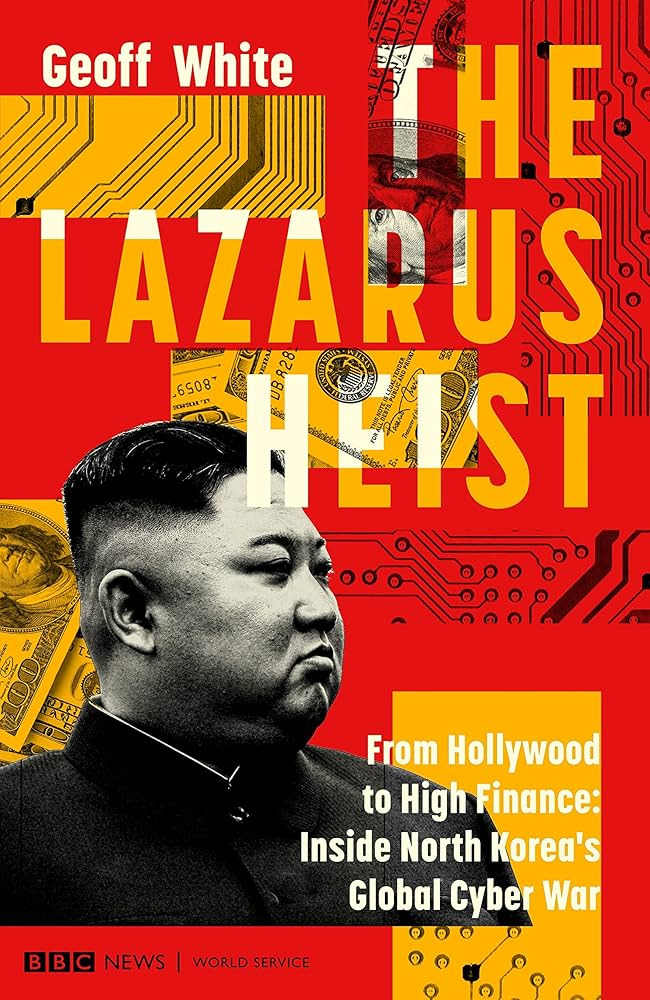
Prominent examples include REvil and Lazarus. REvil, a Russian-speaking ransomware group, operated through a syndicate structure with strict separation between attack teams, negotiation units, and profit-sharing divisions. Actual hacks were carried out by affiliates, while the core group handled ransom negotiations and revenue distribution. On the other hand, Lazarus, a North Korea-based cybercrime group, has formed large-scale criminal syndicates by partnering with external money launderers and crypto-mixing services. Both groups appear monolithic but are internally segmented by role and profit allocation.
Dismantling such criminal syndicates has become a key strategy for law enforcement agencies worldwide. Abroad, authorities employ the Divide and Disrupt tactic — breaking internal trust and scrambling financial flows until syndicates disintegrate from within.

A prime example is the U.S. FBI and DEA’s takedown of Colombia’s Cali Cartel. By turning insiders into informants and disrupting communications, they shattered the mutual trust that held the cartel together. Syndicates, by nature, are loose networks, and once a few links are severed, the whole structure collapses like dominoes.
Cybercrime crackdowns follow a similar logic. During Operation Disruptor, international law enforcement cooperated to simultaneously shut down darknet marketplaces and strike at money laundering routes, causing entire cybercrime syndicates to unravel. REvil’s downfall also followed this pattern — internal profit-sharing disputes combined with geopolitical pressure inside Russia led to its effective dismantling. As rifts widened, Western agencies exploited the chaos to finish the group off.
Ultimately, syndicates survive only when they manage to distribute risks and maintain a rational profit-sharing structure. In other words, the surest way to destroy these syndicates is to disrupt their internal cohesion or alter the numbers in their profit-and-loss sheets. Once those figures shift, even the most solid-looking syndicate will crumble — and their grand schemes will come to an end.
More from Howdy의 블로그
See all posts특별한 법칙은 아니지만 자주 생각하려는 법칙이 있다. 향기의 법칙이라고 명명한 이 법칙은 무척이나 간단하다. 어떠한 상황에서든 상대를 유혹하라는 것이다. 원하는 것이 있다면 상대방이 원하도록 유혹하는 것이다. 이는 아주 간단한 원칙인데 동시에 매우 달성하기 어려운 법칙이기도 하다. 향…
향기의 법칙
하루가 멀다하고 사고가 터지는 것이 인간사. 인간이 만든 것 중 무엇이 대단하다 말할 수 있을까. 무엇이 완전하다 말할 수 있을까. 무엇이 영원하다 말할 수 있을까. 영원한 것은 단 하나도 없고 먼지가 쌓이지 않는 것도 단 하나도 없다. 기회 역시 영원하지 않아서 영원할 것 같은 젊음…
영원하지 않다
이카루스는 태양에 가까이 가면 안된다는 것을 알았으나 높게 날았다. 깃을 붙인 밀납이 녹아 깃이 떨어져 나가고 나서야 그는 자신의 미래를 보았다. 자유로 향하는 날개를 얻었을 때 태양을 향해서도 바다를 향해서도 안됐다. 고도를 유지하며, 섬세하게 바람을 타지 않는다면 어디로든 날아갈…
자유의 날개
인간이 보편적으로 누리는 권리는 대부분 거래를 통해 획득했다. 참정권은 군복무, 참전으로 얻었고, 링컨의 노예제 해방을 위해선 산업화된 사회에서의 흑인 인권이 필요했다. 반면 노예를 사용하는 것이 경제적 이득이 되는 남부군의 입장에서는 당시 기준으로 재산권 침해에 해당한다고 보았기에…
Comments